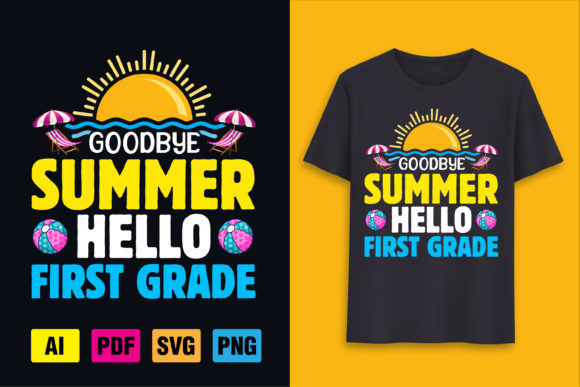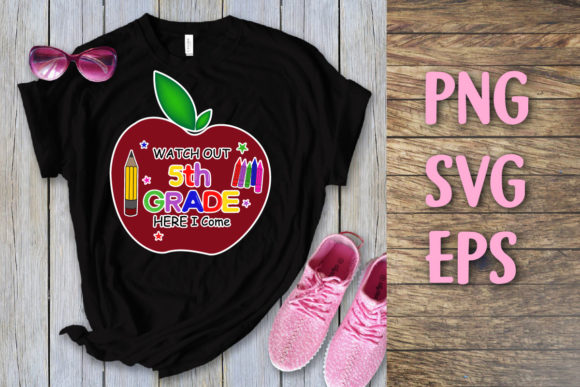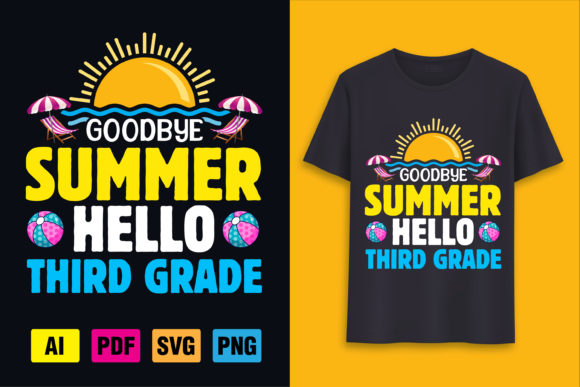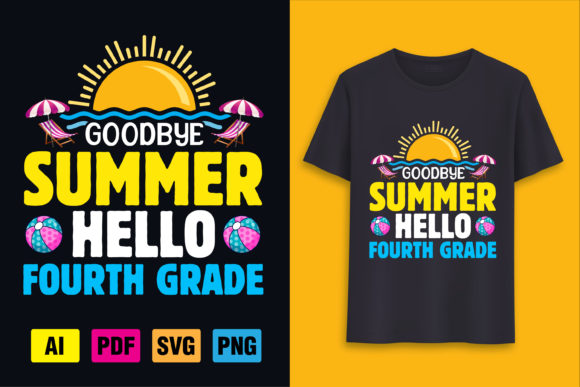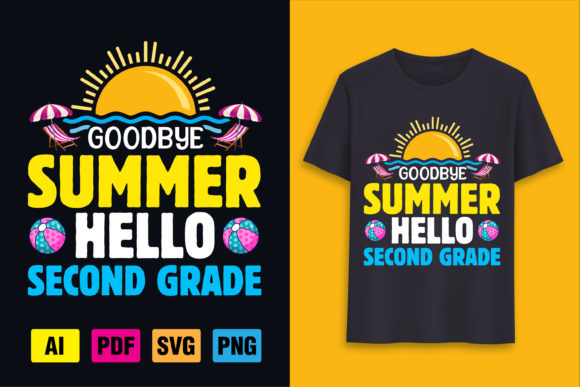
Second Grade Graphics for T-Shirt Designs
As a blog designer and digital publisher, I'm always on the lookout for high-quality graphic design assets that can elevate content presentation and reader engagement. Second Grade is a versatile design that offers a fresh, back-to-school vibe with a playful yet professional edge. This T-shirt design is more than just a visual—it's a tool that can be adapted across multiple publishing formats, from blog graphics to social media visuals.
The First Impression of Second Grade
When I first laid eyes on Second Grade, it immediately evoked a sense of nostalgia and energy. The design feels like a celebration of new beginnings—perfect for educators, parents, and kids alike. It has a warm, inviting aesthetic that leans into the seasonal and educational niches, making it ideal for content focused on learning, family life, or classroom resources.
This design isn't overly decorative or flashy, but it has a clean, modern feel that works well in editorial design. Its simplicity allows it to blend seamlessly into various content types without overpowering the message. Whether used as a website header or a Pinterest pin, Second Grade maintains a strong visual identity while staying approachable.
Real Publishing Use Cases for Second Grade
Second Grade is incredibly adaptable when it comes to real-world publishing needs. As a blog designer, I often need visuals that can serve multiple purposes—like featured images, article headers, or newsletter banners. This design fits those roles perfectly. Its 300 DPI resolution ensures sharpness across different mediums, from printables to digital ads.
For content creators, this graphic design asset can be turned into a lead magnet or a downloadable resource. Imagine using it as a printable worksheet cover or a digital guide header. It also works well as a Canva template, allowing users to customize it quickly for their brand or campaign.
In affiliate marketing, Second Grade could be used as a visual element in product reviews or educational content. Its school-themed appeal makes it a natural fit for digital products related to teaching, parenting, or student life. As a commercial design, it’s suitable for small business branding, especially for ventures targeting families or educators.
How Second Grade Supports Content Performance
One of the most valuable aspects of Second Grade is how it enhances visual hierarchy. A strong visual identity helps readers navigate content more easily and increases the likelihood of clicks. When used as a hero image or a blog thumbnail, it creates a stronger first impression that can boost engagement metrics.
It also supports consistent branding across different platforms. For publishers managing multiple content channels, having a design that aligns with the overall style of the website or newsletter is essential. Second Grade provides that cohesion without being too rigid or restrictive.
From an editorial standpoint, this design asset adds a layer of professionalism to any content piece. Whether it's a digital guide, a downloadable printable, or a social media post, Second Grade reinforces the credibility of the content and builds trust with the audience.
Where Second Grade Works Best
Second Grade shines in areas where visual appeal and clarity are key. As a Pinterest pin, it can attract attention and drive traffic to blog posts or digital guides. In blog graphics, it serves as a strong visual anchor that complements the text and improves readability.
It also works well as a website header or a newsletter banner. These placements allow the design to make an immediate impact, setting the tone for the content that follows. As a lead magnet, it can be used to entice visitors to download resources or sign up for a mailing list.
For content upgrades and downloadable resources, Second Grade adds a polished look that elevates the perceived value of the material. It’s a great choice for e-books, worksheets, or printable templates that require a professional touch.
Where to Use Second Grade Carefully
While Second Grade is a powerful design asset, it’s important to consider its limitations. On small mobile thumbnails, the details might get lost, so it’s best to test it at different sizes before finalizing its use. In text-heavy blog images, it may not be the best choice unless the text is minimal and well-placed.
On low-contrast backgrounds or in busy layouts, the design might not stand out as effectively. It also doesn’t fit well in serious professional niches or corporate websites that prefer a more minimalist aesthetic. If your brand identity leans toward simplicity or minimalism, you may want to pair this design with other elements carefully.
Publisher Notes for Using Second Grade
Before integrating Second Grade into your content, it’s wise to test it in real-world scenarios. Preview it on both desktop and mobile screens to ensure it looks good across all devices. Check how it appears as a thumbnail and whether it holds up when placed beside different font styles—serif, sans serif, script, or display fonts.
Also, review the file size for web performance. Compress the image properly to maintain quality while ensuring fast loading times. Make sure to confirm the commercial license before using it on monetized websites, affiliate pages, or paid content products.
As a creative marketplace asset, Second Grade offers a lot of flexibility for designers and publishers looking to enhance their visual content. Whether you're working on a blog, a digital guide, or a social media campaign, this design can help you create more engaging and professional-looking content.