Third Grade Rocks Kindergarten
As a designer and embroidery product reviewer, I often find myself evaluating digital files for real-world use. Third Grade Rocks Kindergarten is one such design that caught my attention for its playful vibe and potential in custom apparel and handmade projects. The file includes EPS, SVG, JPG, and PNG formats, which are standard for most embroidery workflows. But what really matters is how it translates to actual stitching and whether it delivers on its promise of being a versatile design asset.
The First Impression: A Playful, Educational Theme
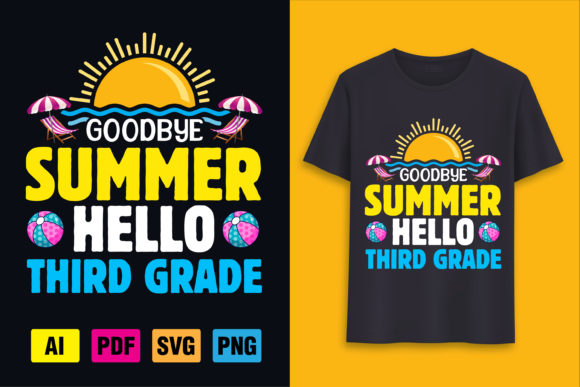
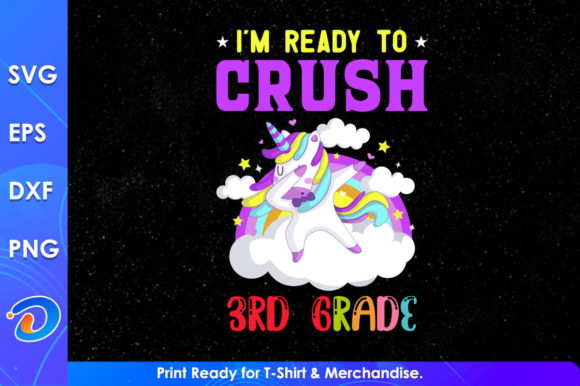
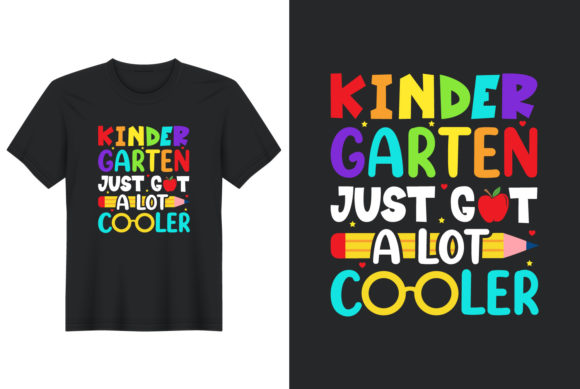
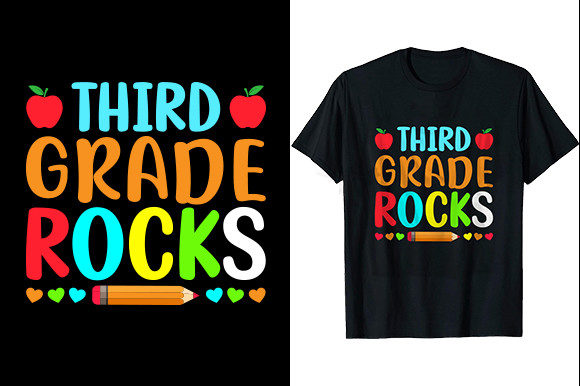
Third Grade Rocks Kindergarten immediately evokes a sense of fun and nostalgia. The design features bold lettering with a slightly whimsical font, suggesting a focus on education, back-to-school, or kindergarten themes. The layout is clean, with a central text block that’s easy to read and visually balanced. It doesn’t have intricate details that might complicate the embroidery process, but it does include enough character to make it stand out.
This design feels like it belongs on items that are both practical and personal—like a custom tote bag for a teacher, a sweatshirt for a student, or a baby onesie for a new kindergartener. Its simplicity makes it adaptable to different fabrics and project types, but it also means it needs careful execution to avoid looking too basic.
Real-World Embroidery Performance
When testing Third Grade Rocks Kindergarten on a sample t-shirt, the design translated well into machine embroidery. The stitch density was moderate, which is good for most fabric types, but not so dense that it risks puckering or distorting the material. The lettering was clear, with no issues in the satin stitches or fill areas. However, the design might not be ideal for very small hoop sizes, as some of the finer details could get lost if the hoop is too tight.
For custom apparel, this design works best on medium-weight cotton or polyester blends. On lighter or stretchy fabrics, it may require additional stabilizer to prevent distortion. For baby clothes or delicate items, I’d recommend using a lightweight tear-away stabilizer to maintain the design’s integrity without making the garment stiff.
Third Grade Rocks Kindergarten also performs well on tote bags and sweatshirts, where the larger surface area allows the design to shine. It’s less suited for curved surfaces like caps or hats, where the lettering might not sit evenly. If you’re planning to use it on a cap, consider adjusting the design or using an applique method for better results.
Where to Use It Carefully
While Third Grade Rocks Kindergarten is a solid choice for many projects, there are a few scenarios where caution is needed. On dark fabrics, the design may not show up as clearly unless you use a contrasting thread color. For thin or textured fabrics, the stitch density could cause the design to feel stiff or uncomfortable. And on stretchy materials, extra stabilizer is a must to prevent the design from stretching out over time.
If you're planning to use this design on a patch or a small item like a pillow cover, you’ll want to ensure the hoop size is appropriate. Too small of a hoop can lead to uneven stitching, especially around the corners. For detailed areas like the edges of the letters, test the design on scrap fabric first to check for any inconsistencies.
Visual Appeal and Customer Perception
Third Grade Rocks Kindergarten has a friendly, approachable look that appeals to parents, teachers, and kids. It’s the kind of design that can easily become a favorite in a handmade shop or an Etsy listing. When used on a personalized gift, it adds a touch of creativity and thoughtfulness that customers appreciate.
From a commercial standpoint, this design can enhance the value of your finished product. A well-executed embroidery project with this design can boost customer trust and encourage repeat business. It also helps with brand consistency if you’re creating a line of educational or children’s-themed items.
However, the success of Third Grade Rocks Kindergarten depends on how it’s presented. A poorly stitched or mismatched thread color can make even the best design look unprofessional. Always test the design on different fabric types and thread colors before finalizing a project.
Practical Designer Notes
Before using Third Grade Rocks Kindergarten in your own projects, here are a few key steps to follow:
- Test the design on scrap fabric to see how it looks in different conditions.
- Check thread color contrast, especially on dark or light backgrounds.
- Review the stitch density to ensure it matches the fabric type.
- Confirm the hoop size required for your embroidery machine.
- Inspect small details like corners and lettering for accuracy.
- Use black and white mockups to evaluate how the design appears in different lighting.
- Compare the design on light and dark fabrics to determine the best application.
- Use proper stabilizer for delicate or stretchy materials.
- Verify that the design is suitable for both personal and commercial use.
- Check licensing terms before selling finished items or digital products.
As a designer, I always recommend taking the time to understand the limitations and strengths of any embroidery file. Third Grade Rocks Kindergarten is a solid choice for many projects, but its success ultimately depends on how well it’s executed and presented.
Final Thoughts: A Versatile Design for the Right Project
Third Grade Rocks Kindergarten is a great example of a design that balances simplicity with personality. It’s ideal for custom apparel, handmade gifts, and small business merchandise, especially when targeting an educational or family-oriented audience. With the right approach, it can elevate your embroidery projects and add value to your creative offerings.
Whether you're an Etsy seller, a craft business owner, or a hobbyist, this design is worth considering for the right application. Just remember to test it thoroughly, choose the right materials, and pay attention to detail. That way, you’ll ensure that your finished product meets both your standards and your customers’ expectations.